The red button is in the drawer. For almost everyone.
Why classic emergency devices are often not worn, and what over 60,000 people wear on their arm instead.

It's not the fall itself that changes life. It's the hours after. Alone on the floor, the phone two rooms away.
One in three people over 65 falls once a year. Most get back up. But sometimes they can't. Then someone waits: for the postman, for the neighbour, for their daughter's Sunday call. It is precisely this waiting that turns a bruise into a hospital stay.
The previous answers are only partially helpful: The emergency call system ends at the base station. The smartwatch needs to be charged daily. And the pendant is lying in the drawer.
That's why over 60,000 people in Germany rely on the Gardia emergency bracelet. It looks like a simple bracelet, but it has fall detection, its own mobile connection, and a hands-free function on the wrist. If it detects a fall, it automatically alerts family or an emergency call centre and immediately establishes a voice connection. Here are five reasons why this makes a difference for many families.
5 Reasons Why Gardia Takes the Worry Out of Everyday Life
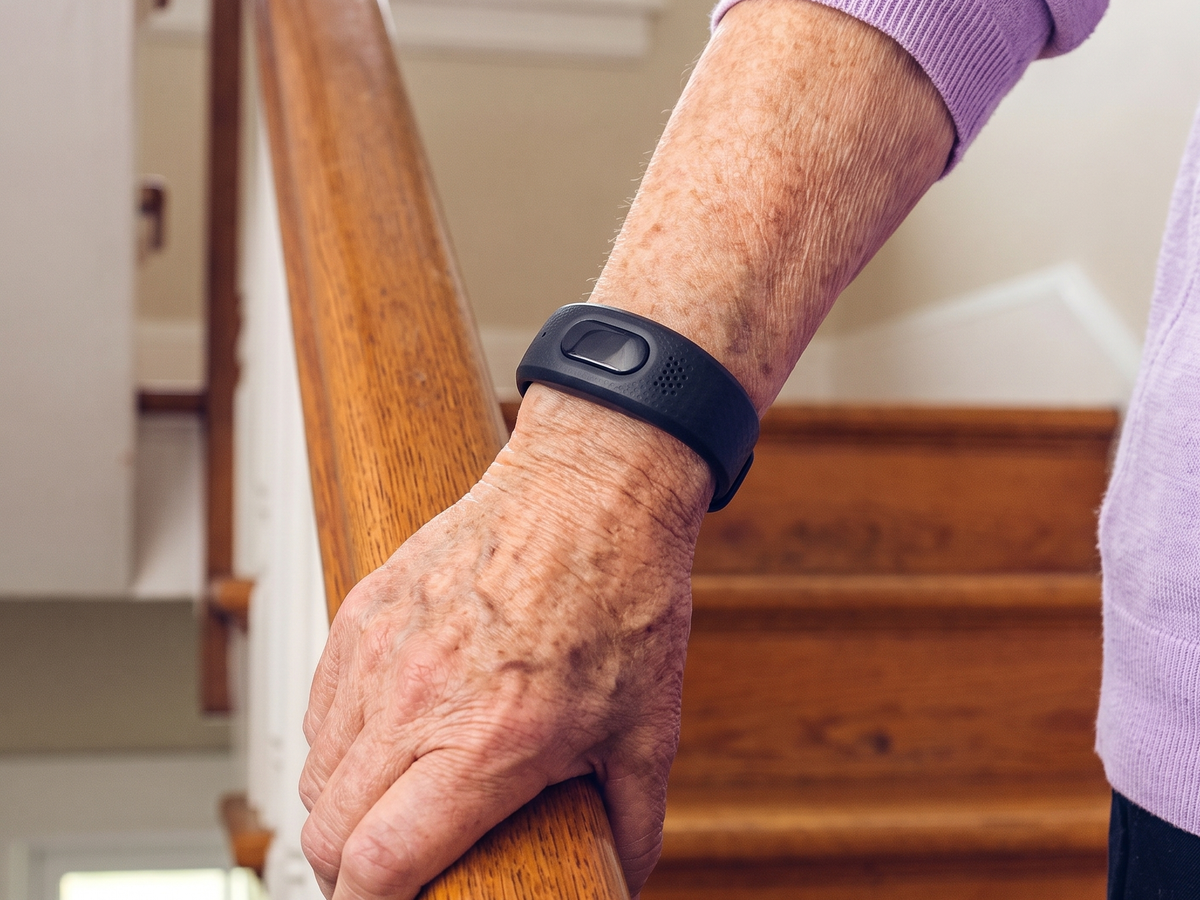
It also calls for help when you can no longer help yourself
An emergency button only helps if you can press it. In the event of a severe fall, unconsciousness, or a trapped arm, this is often not possible.
Gardia automatically detects falls and triggers an alarm independently. The button is still there for circulatory problems, dizziness, or an uneasy feeling on the stairs. And because false alarms can happen, an alarm can be canceled with a flick of the wrist on the bracelet.

It doesn't stop at the apartment door
The classic home emergency alarm has an invisible limit: the range of the base station. Yet, most falls don't happen in an armchair, but on the way to the bakery, to the bus stop, or on a wet pavement.
The Gardia bracelet has its own mobile phone connection. It works in the living room as well as in the allotment garden or on holiday, almost anywhere in Europe. The location is only transmitted in an emergency; no tracking, no continuous monitoring.
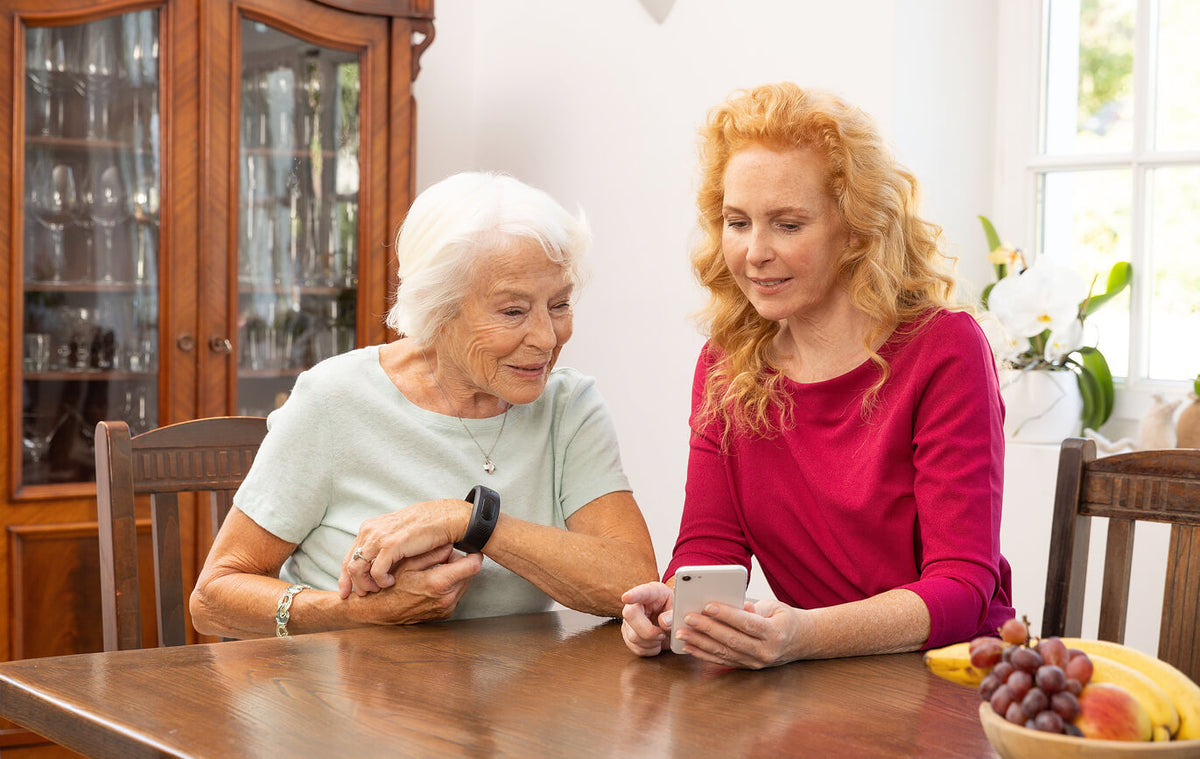
No smartphone necessary, and the family is still connected
The bracelet requires neither Wi-Fi nor a smartphone. Those who never wanted one don't have to want one now either.
Relatives receive the My Gardia App: In an emergency call, the stored contacts are informed in seconds. Communication is possible immediately via the loudspeaker and microphone in the bracelet, without a phone. The side effect most frequently reported by families: A check-up call becomes a conversation again.
"My 90-year-old mother manages the bracelet well, thanks to its easy operation. The call is not only limited to the apartment, but can be triggered anywhere. We are very satisfied with the band."
— Christel T., verified customer
You decide who answers the phone in an emergency
Some families want the son in the neighboring town to be called first. Others want trained professionals on the line immediately. Both are correct.
At Gardia, you determine the sequence yourself: Either your emergency contacts are notified first and the 24/7 Bosch emergency call centre steps in as a backup, or the alarm goes directly to the call centre. No one has to guess whether someone is coming.

You don't put it down, and that's exactly what matters
The best emergency call system is useless if it's left in a drawer. Most end up there for two reasons: they look like they're for a care recipient, or they constantly need charging.
Gardia looks like a simple bracelet – nothing about it signals "emergency." And the battery lasts up to 21 days. That's the difference between a device you take off daily and one that simply stays on your wrist.
Gardia at a Glance
- Automatic fall detection + manual emergency call button
- Own mobile phone connection, at home and on the go, almost all over Europe
- No smartphone or Wi-Fi needed for the wearer
- Speak directly through the bracelet, without a phone
- Up to 21 days of battery life
- Optional 24/7 emergency call centre from Bosch
- Location transmission only in an emergency
The point most people don't know: starting, the long-term care insurance often pays
Many families put off addressing this issue for one reason: ongoing costs. However, the long-term care insurance fund can cover the monthly service costs starting from care level 1, which means €0.00 per month for many. Gardia handles the application, and eligibility can be checked in just a few minutes.
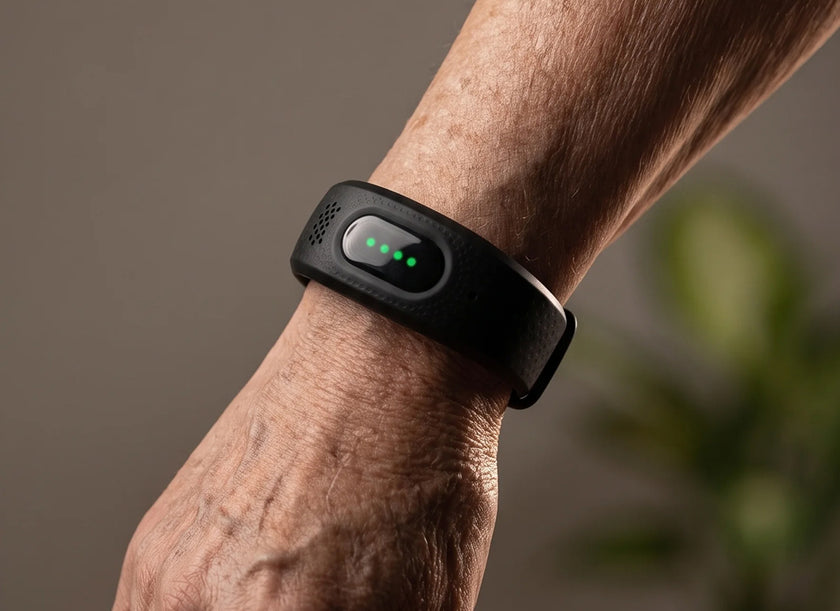
Test first, then decide
Thirty days to try it. Decide after that, not before.
Today you are only purchasing the bracelet. You can choose the appropriate service plan at your leisure later via the app; the first month is always free. And if Gardia doesn't fit into your daily life, you can return it within 30 days.
- Smart fall detection, automatically triggered
- Protection at home and on the go, no base station required
- Up to 21 days of battery life
- Often €0/month for care grade 1 and above, application service included
- 30-day risk-free trial
Free Delivery 30-day return policy
Over 60,000 satisfied users · Partners: Bosch, Beurer · Test winner at notrufsystemvergleich.de
The fall cannot always be prevented. The hours after it can.

Gardia Emergency Bracelet
- Automatically detects falls
- Works on the go
- Up to 21 days battery life
- 30 days risk-free trial
First month free