10 Things I Wish I Knew Before Buying a Medical Alert Bracelet
From emergency calls outside the apartment to the battery: the ten questions that really count before buying.

 Monika Ehrmann
Verifiziert
Relative of a Guardia wearer
Monika Ehrmann
Verifiziert
Relative of a Guardia wearer
I looked at the common emergency call solutions before deciding. I wish I had known this beforehand.
When the topic came up with my mother, I looked into what options were available.
Emergency call system, smartwatch, pendant, emergency bracelet.
What's noticeable: The brochures rarely answer the questions you actually have.
I asked myself these ten questions before buying. Here are the answers.

1. Does it also work on the go?
This is the question where most traditional systems fail.
The emergency call system ends at the base station, usually after just a few meters.
The Gardia bracelet has its own mobile connection. It works in the living room, in the allotment garden, and on holiday, almost anywhere in Europe.
View the bracelet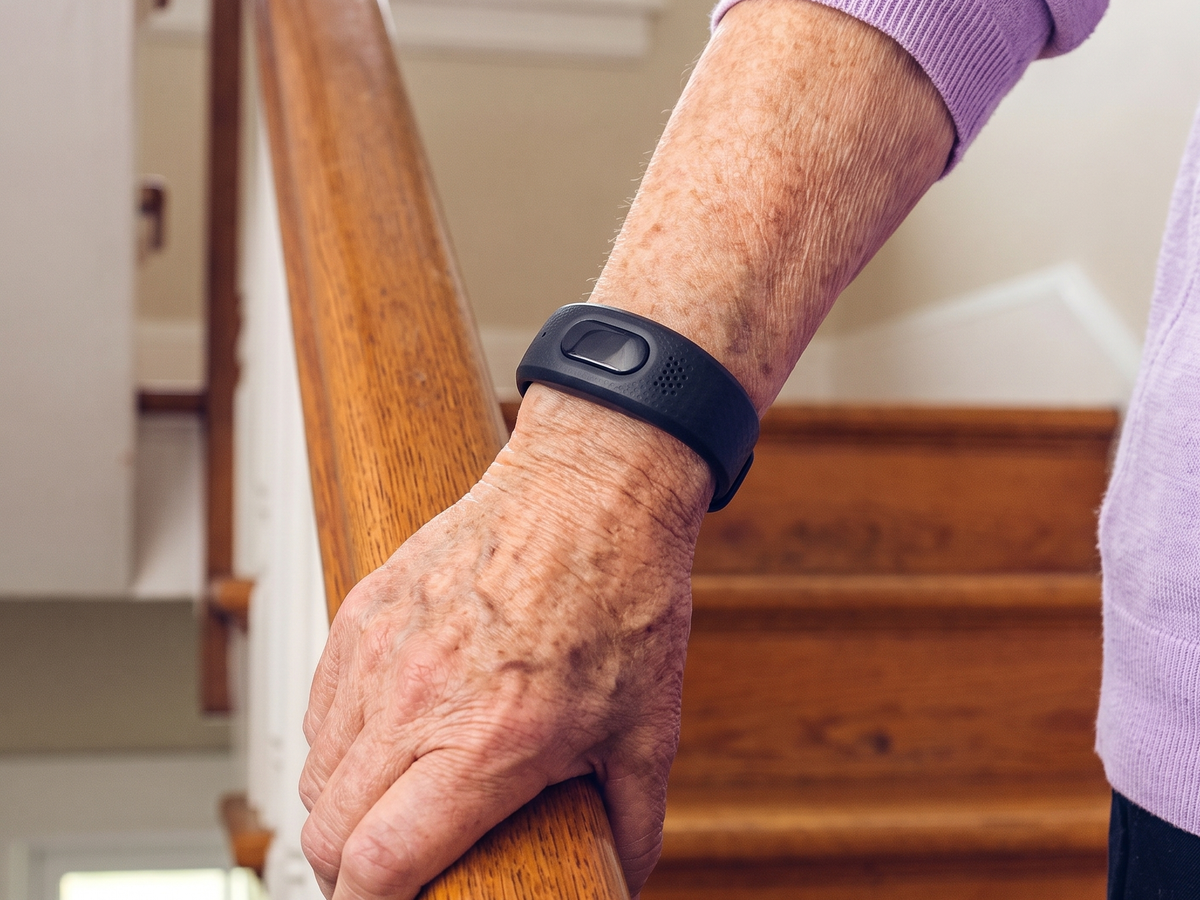
2. What happens if no one can press anymore?
A button is only helpful as long as you can reach it. This is often not the case in a severe fall or with a trapped arm.
Gardia detects the fall itself and triggers an alarm.
How sensitively it reacts can be adjusted in the app.
View the bracelet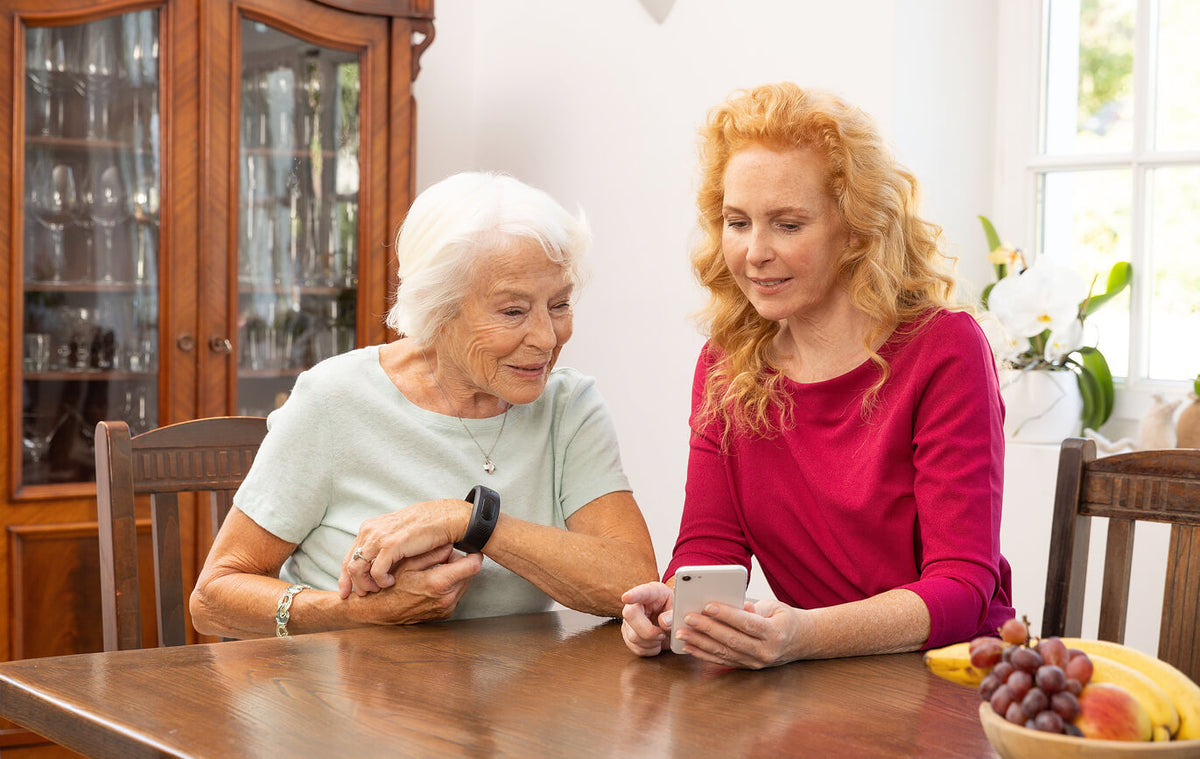
3. Is a smartphone required for this?
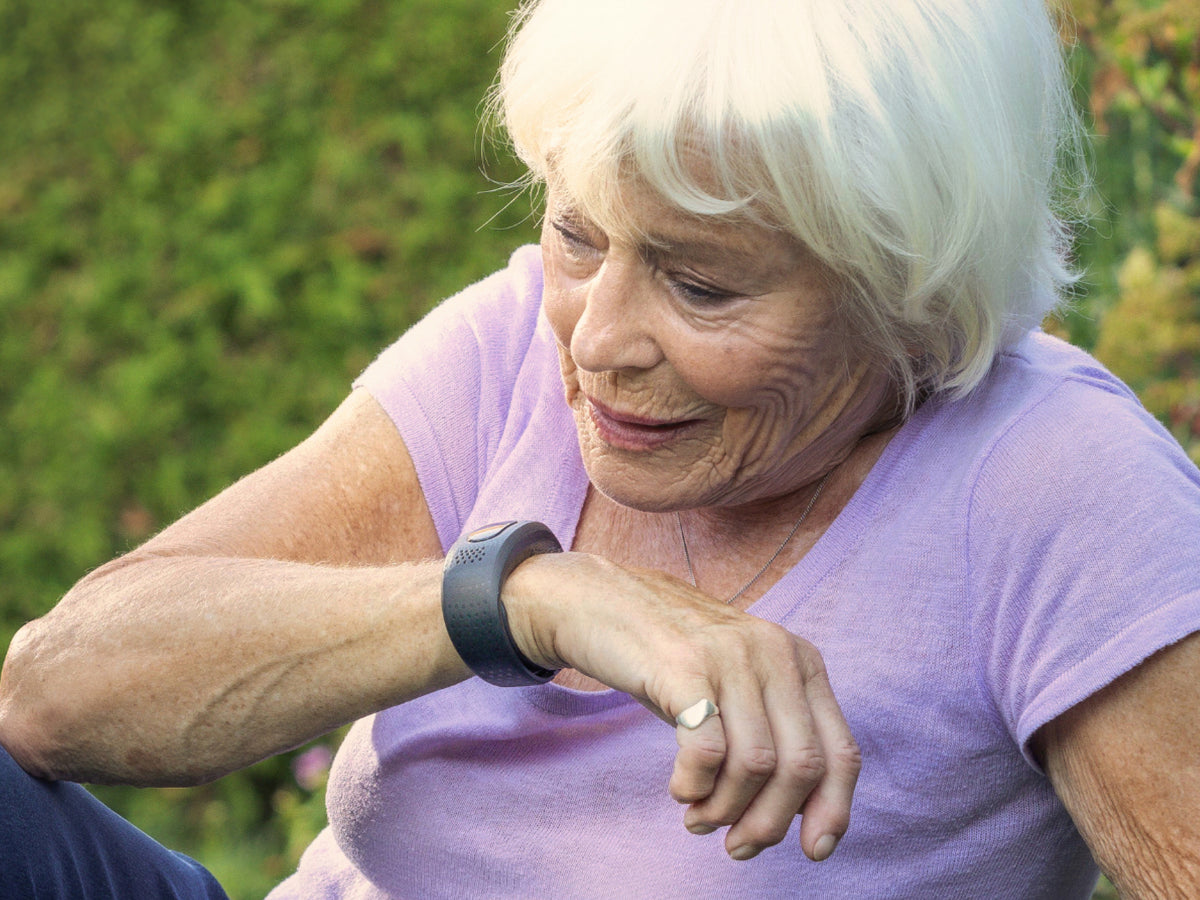
No. Neither a mobile phone nor Wi-Fi.
The person wearing it needs nothing more than the bracelet.
The My Gardia App is intended for family members, not for the wearer.
4. Can we talk about it directly?
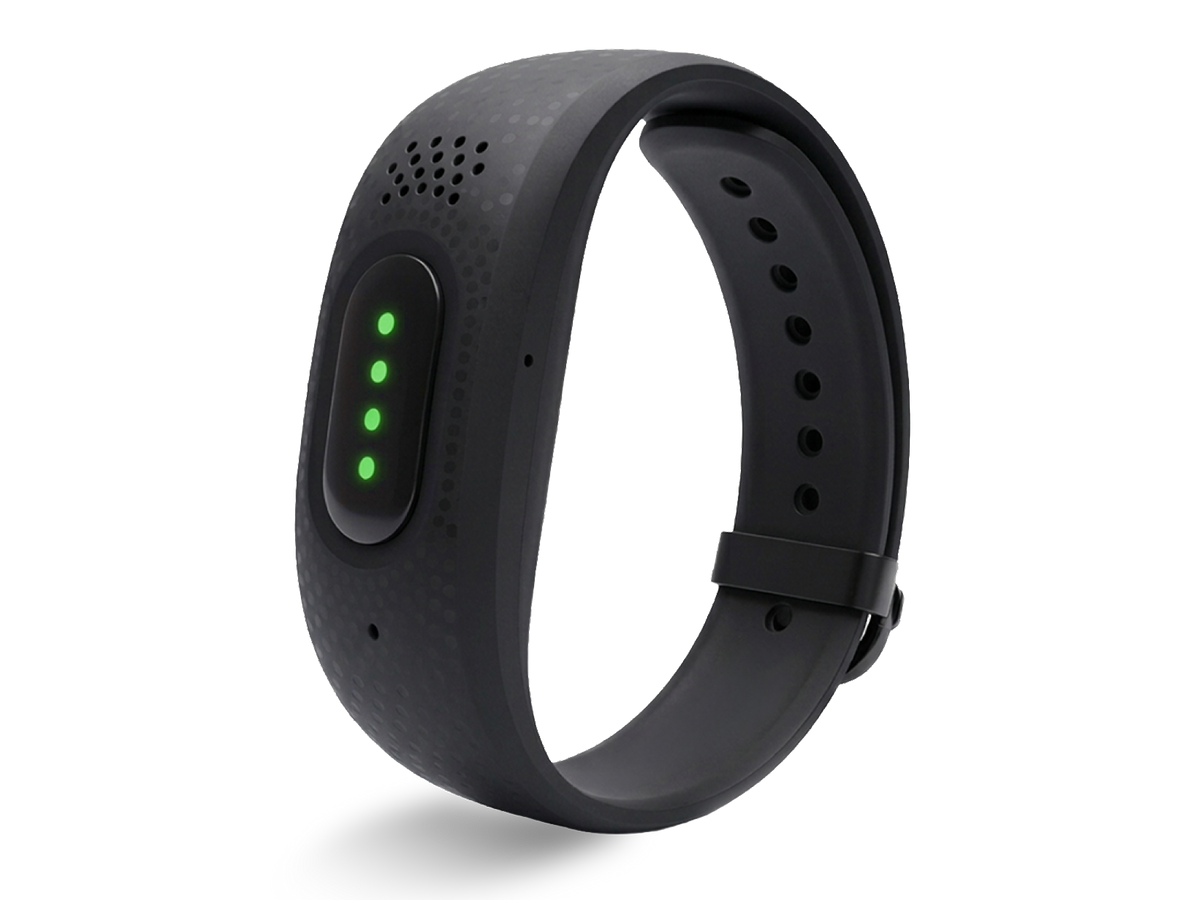
Yes. The speaker and microphone are located in the bracelet.
In an emergency, the connection is established immediately, without anyone having to reach for a phone.
5. How often does it need to be charged?
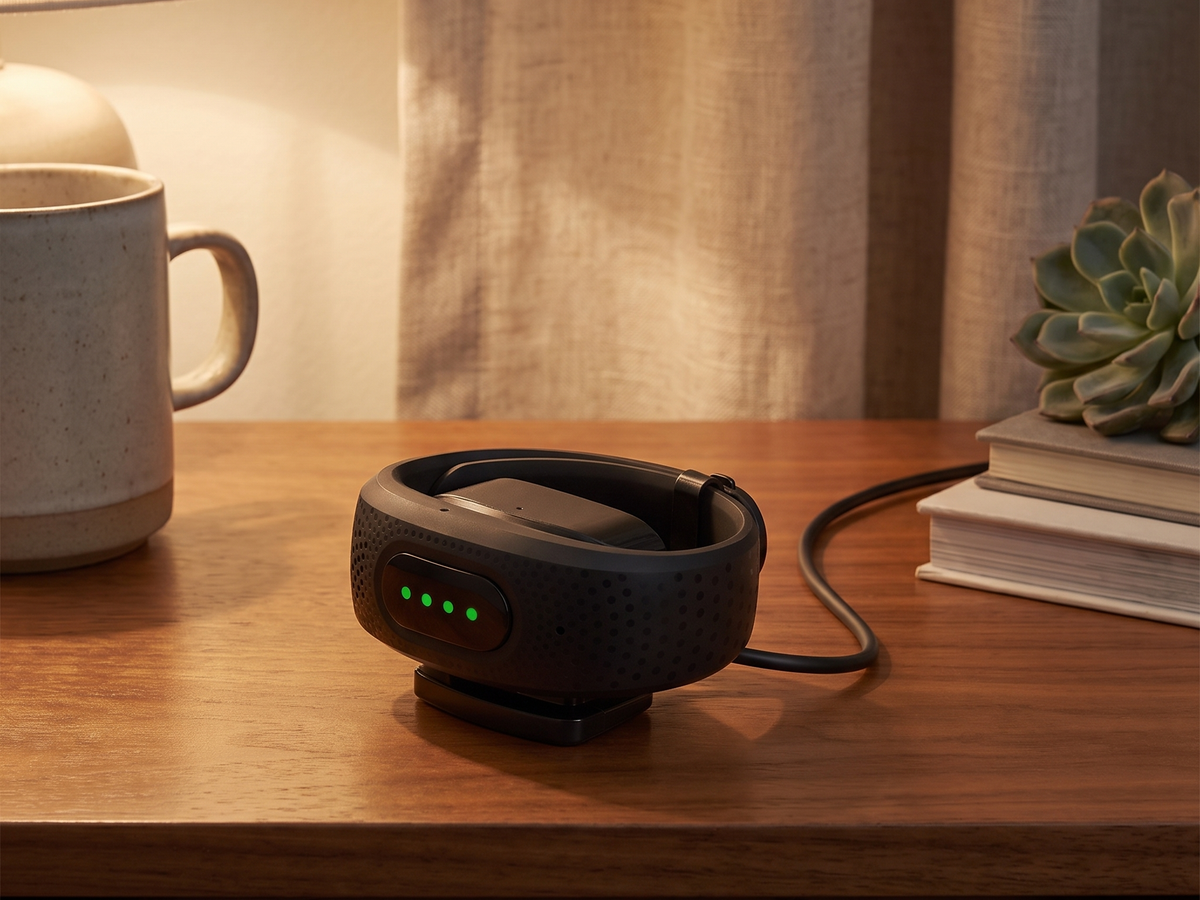
Approximately once a month: the battery lasts up to 21 days.
This is where most smartwatches fail. They spend every night on the charging cradle, even though falls can happen at night too.
View the bracelet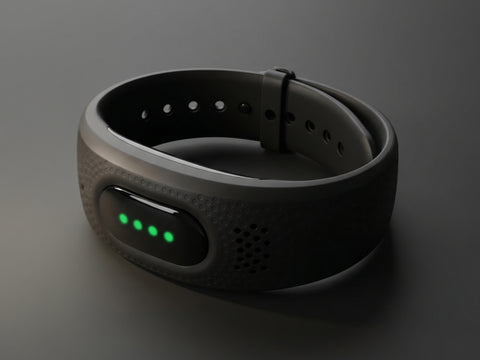
Gardia Emergency Bracelet
- Automatically detects falls
- Works on the go, without a base station
- Up to 21 days battery life
- 30-day risk-free trial

6. Is the site monitored continuously?
No. The location is only transmitted during an active alarm.
No movement profile, no daily statistics for relatives.

7. Who receives the emergency call?
You decide this yourself.
Either your stored contacts are notified first, and Bosch's 24/7 emergency call centre takes over if no one can be reached there.
Or the alarm goes directly to the call centre.
8. What if it goes off by mistake?
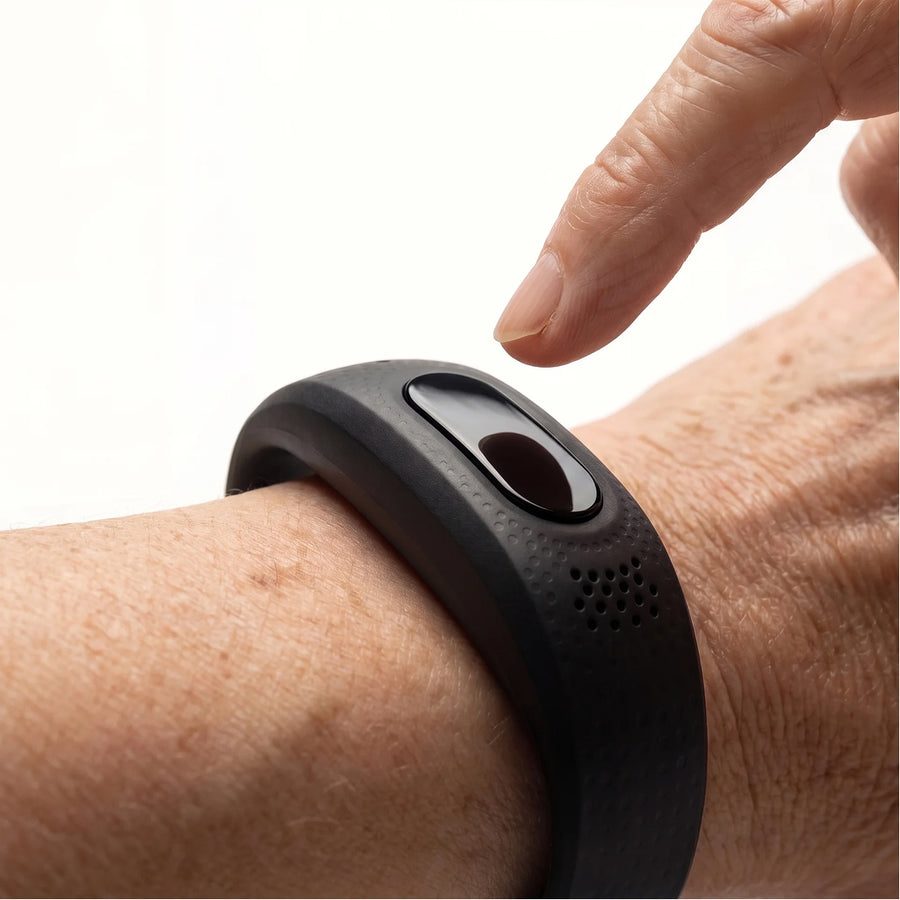
Nothing dramatic: 20 seconds, one button press, done.
The alarm can be dismissed directly on the bracelet.

9. How much does it cost per month?
The device costs a one-time fee of instead of .
Plus the tariff: £15.95 per month for the Basic, £27.90 per month with emergency call centre.
The first month is free, the tariff will be chosen later in the app.
10. What does the long-term care insurance cover?
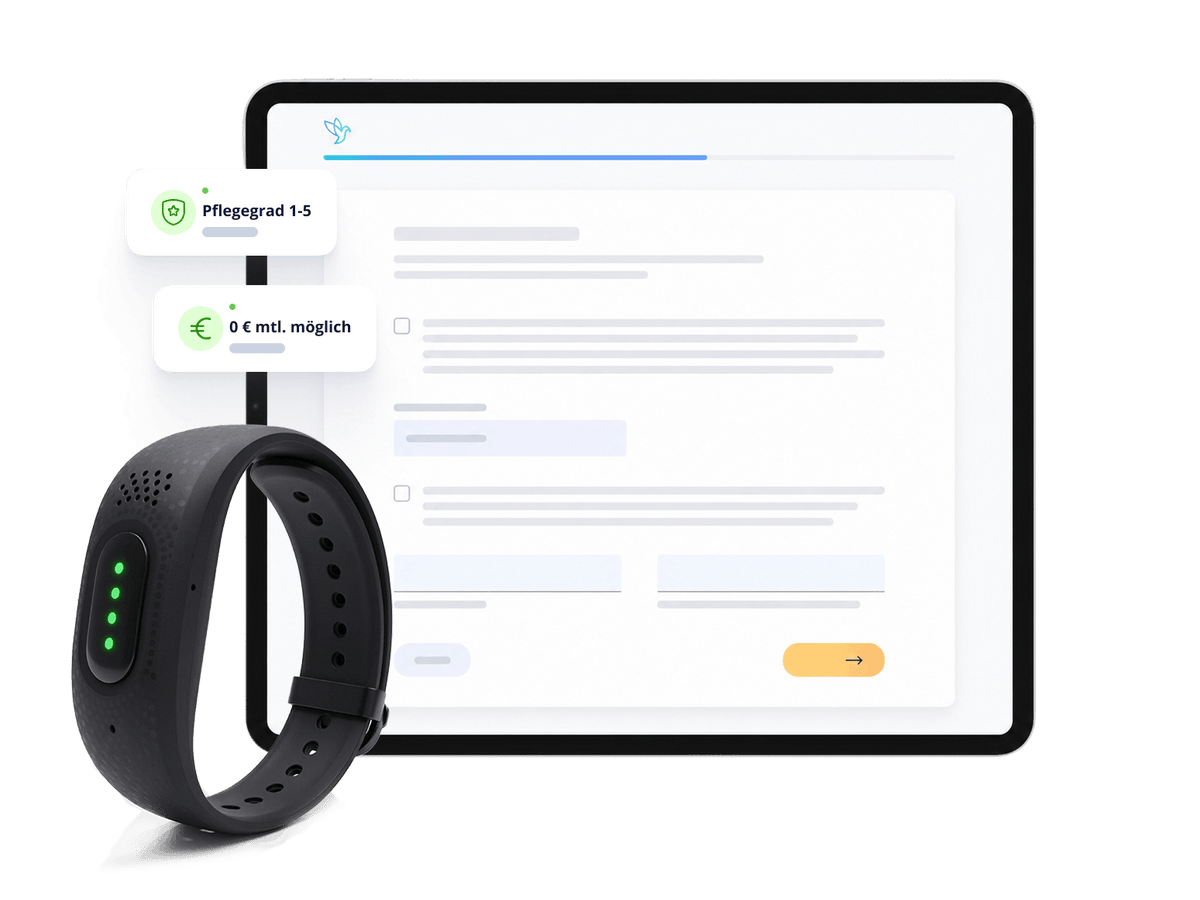
From care level 1, the long-term care insurance fund pays a subsidy of €25.50 net per month towards the service costs.
This covers the plan with an emergency call centre. For those with statutory health insurance, the cost remains €0.00; privately insured individuals pay approximately €2.55.
Gardia submits the application digitally, immediately after purchase.

First test, then decide
Save 50% today
Today you are only buying the bracelet. You can choose the plan later at your convenience via the app, the first month is free. If it doesn't fit into your everyday life, you can return it within 30 days.
- Fall detection that triggers automatically
- Protection at home and on the go, without a base station
- Up to 21 days of battery life
- Often €0/month, application service included
- 30 days risk-free trial
Free delivery 30-Day Return Policy
Over 60,000 satisfied users · Partners: Bosch, Beurer · Test winner at notrufsystemvergleich.de

Gardia emergency bracelet
- Automatically detects falls
- Works on the go
- Up to 21 days of battery life
- 30-day risk-free trial
First month free