Recognizing a Stroke: Symptoms, Causes, and Life After a Stroke

A stroke often changes life within minutes. Suddenly, everyday tasks that were once taken for granted – holding a conversation, grasping a cup, or walking safely – become difficult. For those affected and their families, this often marks the beginning of a time filled with questions and uncertainties. Every minute counts initially. Recognizing the warning signs of a stroke early and calling emergency services immediately can significantly help limit permanent damage. But even after acute treatment, there's reason for optimism: thanks to modern medicine, targeted rehabilitation, and new scientific insights, many people today can regain significantly more abilities than just a few years ago. The time after hospitalization is equally important. With the right therapy, regular exercise, and small adjustments in daily life, many affected individuals succeed in regaining their independence step by step. Technical aids can also help in regaining more confidence in daily life. In this guide, you will learn how to recognize a stroke, what causes and risk factors are behind it, why rapid action is so important, and what possibilities exist today to live actively and as independently as possible even after a stroke.
What Is a Stroke?
A stroke occurs when a part of the brain is suddenly no longer adequately supplied with oxygen and nutrients. After just a few minutes, sensitive nerve cells begin to die. The longer the blood flow is interrupted, the greater the risk of permanent damage.
Doctors generally distinguish between two forms.
- Ischemic Stroke
About 80 to 85 percent of all strokes are caused by the blockage of a blood vessel in the brain. A blood clot prevents sufficient blood from reaching certain brain regions. Experts refer to this as an ischemic stroke or cerebral infarction. This form is the most common cause of stroke and requires rapid treatment to reopen the blocked vessel as quickly as possible.
- Cerebral Hemorrhage
Much rarer, but often more severe, is cerebral hemorrhage. In this case, a blood vessel in the brain ruptures, causing blood to leak into the surrounding tissue. The resulting pressure damages sensitive brain regions. This form is also an absolute emergency and requires immediate hospital treatment.
- TIA – the "mini-stroke"
In addition to the two main forms, there is also the so-called transient ischemic attack (TIA). It is often referred to as a "mini-stroke." The same warning signs as a stroke occur, but usually disappear completely within a few minutes or hours.
Many affected individuals underestimate these symptoms because they subside on their own. However, a TIA is considered an important warning sign: the risk of a "real" stroke is significantly increased in the following days.
Recognizing a Stroke: These Symptoms Should Be Taken Seriously
The danger of a stroke is that symptoms usually appear very suddenly. Often, affected individuals feel completely healthy just minutes before.
Common warning signs include:
- sudden paralysis or numbness – often on one side of the body
- drooping corner of the mouth
- difficulty raising both arms simultaneously
- speech disorders or slurred speech
- problems understanding spoken language
- sudden vision disturbances in one or both eyes
- double vision
- dizziness or severe balance disorders
- unexplained disorientation
- sudden onset of very severe headaches
Not all symptoms need to occur at the same time. Even a single warning sign can indicate a stroke.
Never wait to see if the symptoms improve on their own. Every lost minute can worsen the consequences.
The FAST Test: How to Recognize a Stroke Within Seconds
A simple method to quickly recognize a stroke is the so-called FAST test. It is recommended worldwide by emergency services and can also be performed by non-medical personnel.
F – Face
Ask the affected person to smile.
Pay attention to:
- Is one corner of the mouth drooping?
- Does one side of the face appear paralyzed?
- Can the person move both halves of their face equally?
Even small abnormalities can be a warning sign.
A – Arms
Ask the person to stretch both arms forward simultaneously and turn their palms upwards.
A stroke may be present if:
- one arm drops,
- one arm cannot be lifted,
- there are significant differences in strength.
S – Speech
Ask the affected person to repeat a simple sentence, for example:
"The sun is shining today."
Pay attention to whether:
- the person speaks unclearly?
- they can't find words?
- they don't understand the sentence?
- their speech sounds unusual?
Even slight changes should be taken seriously.
T – Time
If the FAST test shows abnormalities, only one rule applies: Immediately dial the emergency number 112. Do not attempt to drive to the hospital yourself or contact your family doctor first. The sooner treatment begins, the greater the chance of avoiding permanent damage.
Why Every Minute Counts
When it comes to stroke, the principle of "time is brain" is often cited.
This phrase perfectly summarizes the situation. While the blood supply interruption persists, nerve cells in the brain die irreversibly. Unlike many other body cells, they cannot simply regenerate. Modern treatment methods often make it possible today to reopen blocked blood vessels or to treat hemorrhages specifically. However, success critically depends on how quickly affected individuals receive medical care. Therefore, you should never wait or hope that symptoms will improve on their own. Even if the symptoms disappear after a few minutes, it could be a so-called TIA – a serious warning sign for a possible stroke in the near future.
When in doubt, always remember:
-
Call emergency number 112.
-
Stay calm.
-
Do not leave the affected person alone.
-
Do not give any food or drink.
-
Note the exact time of the first symptoms as precisely as possible.
Every minute that passes until treatment can be crucial for how well affected individuals recover later and return to their daily lives.
Causes: Why Does a Stroke Occur?
A stroke rarely occurs without warning. Usually, several risk factors combine to damage blood vessels over many years. The more of these factors present, the higher the individual risk of stroke.
Common causes include:
- High blood pressure
- Cardiac arrhythmias, especially atrial fibrillation
- Diabetes mellitus
- Elevated blood lipid levels
- Smoking
- Obesity
- Lack of exercise
- Excessive alcohol consumption
- Chronic stress
Many of these risk factors can be significantly reduced through a healthy lifestyle or early treatment. Regular preventive check-ups help to detect changes early and lower the risk of a stroke.
Who is at increased risk of stroke?
In principle, a stroke can affect anyone. However, the risk increases significantly with age. Certain pre-existing conditions or lifestyle habits can also increase the likelihood.
People who are particularly at risk include:
- those who suffer from high blood pressure,
- those who have already had a heart attack or a TIA,
- those who suffer from atrial fibrillation,
- regular smokers,
- those who get little exercise,
- those who are severely overweight,
- or those who suffer from diabetes.
However, younger people are not spared either. Strokes are occurring more and more frequently between the ages of 40 and 60. Therefore, warning signs should always be taken seriously, regardless of age.
More than just an emergency bracelet
Lorem ipsum dolor sit amet consectetur adipiscing elit Ut et massa mi.

How a Stroke is Treated
After arriving at the hospital, every minute counts. First, doctors use imaging techniques such as computed tomography (CT) or magnetic resonance imaging (MRI) to determine which type of stroke has occurred. Different treatments are available depending on the cause. In the case of a vascular occlusion, a procedure called thrombolysis can often be performed. This involves administering medication to dissolve the blood clot as quickly as possible. If a larger blood vessel is blocked, a mechanical thrombectomy can also be performed. In this procedure, specialized doctors remove the blood clot directly from the vessel using a thin catheter. If, on the other hand, there is a cerebral hemorrhage, the treatment depends on the cause and extent of the bleeding. The goal is to reduce pressure in the brain and prevent further damage. Rehabilitation begins as early as possible after acute care.
The Brain Can Reorganize Itself
One of the most important insights of recent years is that the brain has an astonishing ability to adapt. Experts refer to this as neuroplasticity. In this process, healthy brain regions can take over tasks previously performed by damaged areas. This is why progress is often still possible months or even years after a stroke.
The most important things are:
- regular practice,
- repeating everyday movements,
- patience,
- not measuring success on individual days.
Each repetition sends new impulses to the brain and supports the formation of new neural connections.

Security Instills Confidence
After a stroke, it's not just about regaining physical abilities. Many affected individuals initially develop insecurity in everyday life – especially when they are out alone or living at home again. Knowing that they can quickly call for help in an emergency can help them regain confidence in their own independence. The Gardia emergency call bracelet accompanies you in everyday life – at home and on the go. At the push of a button or thanks to automatic fall detection, relatives or Bosch's professional 24/7 emergency call center can be informed. This provides you with additional security without having to sacrifice your independence. Especially after a stroke, such a safety net can help you participate more actively in everyday life and explore new paths with a good feeling.
Making your home safe
After a stroke, many people initially spend more time in their own homes. This makes it all the more important to make the living environment as safe and comfortable as possible.
Often, small changes are enough.
Helpful examples include:
- grab bars in the bathroom
- non-slip rugs or mats
- well-lit hallways and staircases
- removed tripping hazards
- sturdy handrails
- frequently used items at arm's length
A safe home helps to prevent falls and make everyday life more relaxed.
Warning Signs of a Recurrent Stroke
People who have already had a stroke have an increased risk of another.
Therefore, these warning signs should never be ignored:
- sudden speech problems
- numbness
- paralysis
- vision problems
- severe dizziness
- unusual headaches
- sudden disorientation
If such symptoms occur, emergency services should be called immediately at 112.
Fatigue: When exhaustion becomes a part of everyday life
Many people are surprised that they constantly feel exhausted after a stroke, despite getting enough sleep. This is often due to something called post-stroke fatigue. This form of exhaustion is more than normal tiredness. Even small tasks can require a lot of effort.
Typical signs include:
- rapid physical exhaustion
- concentration problems
- low resilience
- longer recovery times
- the feeling of having little energy
It can be helpful to consciously plan the day, schedule regular breaks, and avoid overexertion. Many affected individuals also report that fixed daily routines and sufficient exercise improve their resilience in the long term.
Nutrition After a Stroke
A balanced diet supports the heart, blood vessels, and overall metabolism. At the same time, it can help reduce the risk of another stroke.
Particularly recommended are:
- fresh vegetables
- fruit
- whole grain products
- legumes
- fish
- vegetable oils
- sufficient water
Salt, highly processed foods, and sugary drinks, however, should only be consumed in moderation.

What therapies help after a stroke?
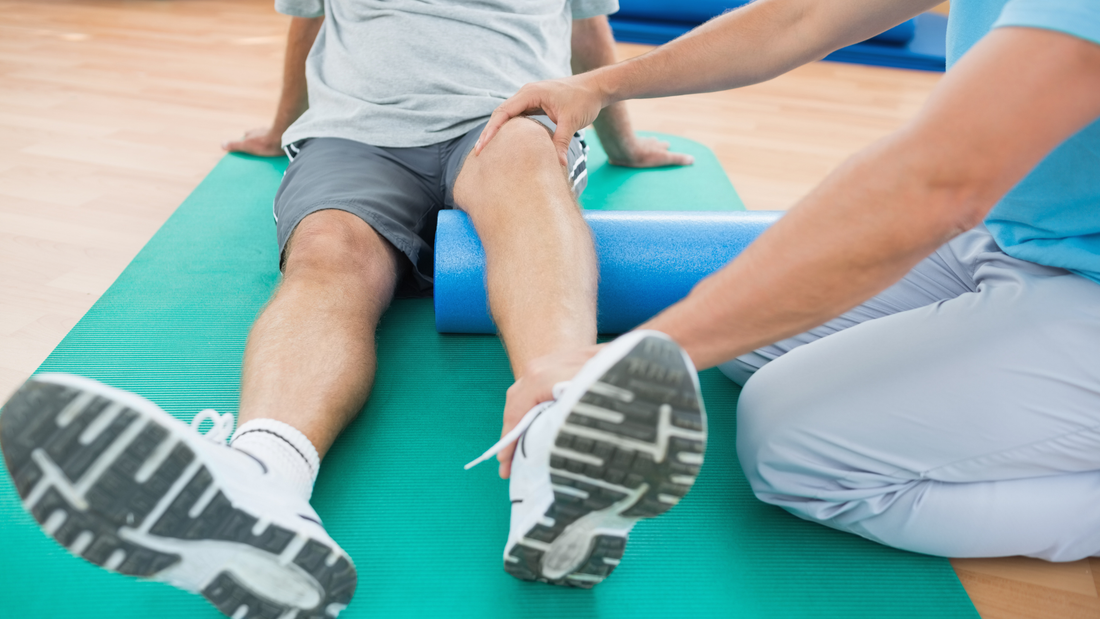
Successful rehabilitation usually consists of several forms of therapy that are individually tailored to the needs of those affected.
Physiotherapy
Physiotherapy helps to improve strength, mobility and balance.
Training includes:
- safe walking,
- climbing stairs,
- coordination,
- muscle building,
- balance,
- joint mobility.
The goal is to be able to perform as many movements as possible independently again.
Occupational Therapy
Occupational therapy focuses on everyday activities.
Here, affected individuals learn again, for example,
- to get dressed,
- to prepare meals,
- to use cutlery safely,
- to write,
- to perform household tasks independently.
Often, assistive devices are also recommended to make everyday life easier.
Speech Therapy
Many stroke patients suffer from speech or swallowing disorders.
Speech therapy helps to
- rebuild language,
- find words more easily,
- conduct conversations confidently,
- improve language comprehension,
- train swallowing processes.
Even small progress can significantly increase the quality of life.
Neuropsychology
Not all consequences of a stroke are visible. Concentration problems, memory disorders or emotional changes are also among the common consequences.
Neuropsychology supports, among other things, with:
- attention,
- memory,
- planning everyday tasks,
- orientation,
- dealing with anxiety or depression.
It helps many affected individuals regain more confidence in everyday life.
Conclusion
A stroke often changes life from one moment to the next. However, modern treatment options, targeted rehabilitation, and regular training now offer significantly better prospects than just a few years ago. It is important to recognize warning signs early and to act immediately in an emergency. Equally crucial, however, is the time after. With physiotherapy, occupational therapy, speech therapy, an adapted lifestyle, and the right support, many affected individuals can gradually regain their independence. Not every progress is immediately visible, but every small success brings you closer to your goal: a life that is as self-determined and secure as possible.
FAQ / Frequently Asked Questions
Can you fully recover after a stroke?
That depends on the severity of the stroke and the timing of treatment. Many affected individuals make significant progress through rehabilitation and regular training, sometimes even years later.
How long does rehabilitation take?
This varies from person to person. While some people make great progress after only a few weeks, others need several months or longer. Regular practice remains important even after rehab.
Is it possible to live alone again after a stroke?
Yes, many people continue to live independently after a stroke. The prerequisites for this are good medical care, suitable aids, and a safe living environment.
How can I prevent another stroke?
A healthy lifestyle, regular exercise, consistent intake of prescribed medication, and the treatment of high blood pressure, diabetes, or cardiac arrhythmias can significantly reduce the risk.
Can an emergency wristband be useful after a stroke?
Especially after a stroke, many affected individuals wish to remain independent in their own homes or on the go for as long as possible. A mobile emergency call system like the Gardia emergency wristband can provide additional security. At the touch of a button or thanks to automatic fall detection, relatives or Bosch's professional 24/7 emergency call center can be quickly informed. This gives many people the confidence to actively shape their daily lives again – whether on a walk, shopping, or alone at home.
Traveling solo – but not alone in an emergency
More security for every day: The Gardia emergency wristband combines automatic fall detection with an emergency call at the touch of a button, informing relatives or Bosch's professional 24/7 emergency call center in an emergency.

"After my stroke, I was initially very insecure and barely dared to leave the house alone. Step by step, I regained confidence. Today, I go for walks again and do many things myself. Knowing that I can quickly call for help in an emergency gives me a good feeling."