Choosing the right emergency call system: Which functions are truly important

Why choosing an emergency call system is often difficult
Anyone looking into choosing an emergency call system for the first time will quickly encounter a multitude of terms: mobile emergency call system, GPS tracking, fall detection, app connectivity, sensors, control center, or different tariffs. Many systems appear similar at first glance – but differ significantly in how reliable and practical they actually are.
The biggest risk lies not in the technology itself, but in making the wrong decision. An overly complex emergency call system can be confusing, while a too-simple model may not offer enough security in an emergency. The goal, therefore, is not the most technically comprehensive device, but an emergency call system that fits everyday life.
What features an emergency call system really needs
1. A Clearly Triggerable Emergency Call
The most important function of any emergency call system is simple and unequivocal: The emergency call must be quickly triggerable at any time. An easily accessible, tactile button – even without looking – is crucial, especially in stressful or emergency situations.
➡️ Anything that requires complicated menus or multiple steps increases the risk in an emergency.
2. Reliable Availability in Emergencies
An emergency call system is only as good as the help that responds to it. Look out for:
- a stable connection (e.g. mobile network)
- a clear emergency call chain
- 24/7 accessibility
- emergency contacts or an emergency call center
➡️ The decisive factor is not who responds, but that someone reliably responds.
Making the right decision
Gardia combines ease of use with state-of-the-art fall detection technology.

3. Everyday usability
An emergency call system only protects if it is actually worn. Therefore, the following points are crucial:
- comfortable to wear
- waterproof emergency call wristband (e.g., for bath and shower)
- simple charging habits
- discreet, everyday design
➡️ A good emergency call system integrates into everyday life – it must not disrupt it.
4. Adaptability Instead of Feature Overload
A high-quality emergency call system can be customised:
- Change emergency contacts
- Define procedures
- Adjust fall detection sensitivity
Systems with too many automatic functions often take control away from users and lead to uncertainty or false alarms.
➡️ Flexibility is more important than having as many functions as possible.

These questions help with choosing an emergency call system
✔ Can I easily trigger the emergency call even under stress?
✔ Do I really wear the emergency wristband every day?
✔ Is it clear what happens in an emergency?
✔ Can I adjust settings later?
✔ Do I feel safe – or rather monitored?
Features often overestimated in emergency call systems
❌ overly complex app menus
❌ permanent tracking without specific reason
❌ unclear additional modules
❌ features rarely used in everyday life
❌ technology without clear explanation or instruction
➡️ More technology does not automatically mean more security.

How to find out which emergency call system is right for you
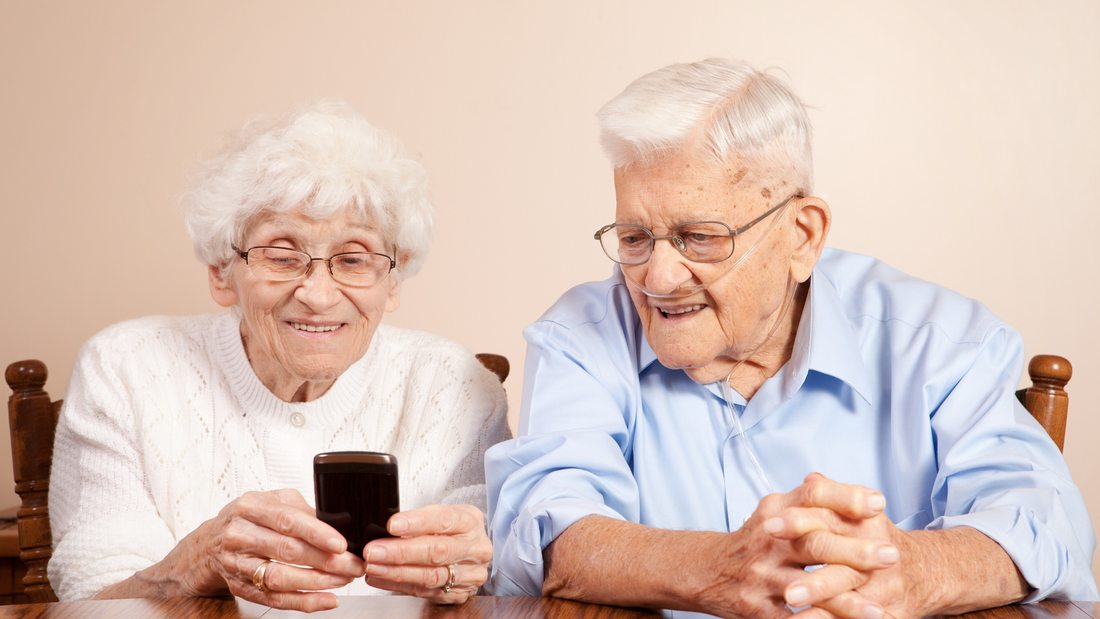
After initial research, one often gets the impression that as many risks as possible need to be covered. But true security comes from alignment with one's own daily life.
Therefore, ask yourself the following questions:
How do I move in my daily life?
Am I often out and about, in the garden or on walks – or predominantly at home?
How do I handle technology?
Do I want to manage settings myself or prefer a simple solution without constant readjustment?
Who should react in an emergency?
Relatives, neighbors, a control center – or a combination?
How important is discretion to me?
Should the emergency call system be openly visible or worn as inconspicuously as possible?
How will my needs develop in the coming years?
A good emergency call system should grow with you and remain usable long-term.
Many people, out of fear of an emergency, choose an emergency call system with as many functions as possible – and later realize they neither understand nor use them. Others choose a model that is too simple and feel insecure in the long run.
➡️ The right decision lies in between: An emergency call system that provides security without overwhelming.
FAQ/Frequently Asked Questions
Do I really need a lot of features?
No. Simple operation, reliability, and suitability for everyday use are what matter.
Is a simple system insecure?
No. A reduced system can even be safer if consistently used.
What's more important—technology or processes?
Procedures. Technology only helps if it's clear what happens in an emergency.
How do I know if an emergency call system is truly reliable?
Reliability is demonstrated by stable connection, tested fall detection, functioning emergency contacts, and positive user experience. Test reports and certified systems provide additional security.
What emergency call systems are suitable for on the go and at home?
Mobile emergency call systems with GPS and fall detection are ideal for when you're out and about, while stationary systems are particularly reliable for home use. Many modern devices combine both options.
"Only when we understood which functions were truly important did the decision feel right."