Emergency call system: The most common mistakes when using it – and how to avoid them

An emergency call system gives many people a sense of security in everyday life – often unnoticed in the background. But in an emergency, it becomes clear how important not only the system itself is, but also how it is used. Because small habits determine whether help can be organized quickly at the right moment. Many typical mistakes happen unconsciously – and that's precisely why they often remain undetected for a long time.
1. The bracelet is placed exactly where the risk is highest
Many take off their emergency wristband:
- in the bathroom ("because of water")
- at night next to the bed
- when lying down briefly
Problem: This is precisely where most falls occur.
Concrete solution:
- consciously wear a waterproof device even in the bathroom
- a fixed place on the body – even at night
- Rule: When I get up → I wear it
2. The emergency call is triggered too late
Many hesitate at the crucial moment:
- "Maybe it will go away on its own"
- "I don't want to bother anyone unnecessarily"
Reality: After a fall, the condition can quickly worsen.
Concrete Solution:
- Clear rule: When in doubt, always trigger the alarm
- Emergency call is not an "overreaction," but a safety measure
Security on your wrist – always within reach
The Gardia emergency wristband supports you in everyday life with automatic fall detection and quick help in an emergency. For more safety – at home and on the go.

3. The device is not ready for operation
A critical but often overlooked point:
- Battery is empty
- Device was not charged
- Connection is disrupted
In an emergency, the system then fails.
Concrete solution:
- fixed charging routine (e.g. every night or every other day)
- charging station visible and accessible
- occasionally check: is everything working?
4. Putting the device down – at precisely the wrong moment
Typical situations:
- while showering
- at night next to the bed
- "just for a moment" while resting
Many critical situations occur precisely at these times.
Example: A fall in the bathroom without a worn device = no way to call for help.
5. Emergency contacts are not realistically chosen
A common mistake is not whether contacts are stored – but which ones.
Problems:
- only one person listed
- people are unavailable during the day
- no clear agreement on what happens in an emergency
In an emergency, this can lead to delays.
Better: Multiple reachable contacts + clear communication.
Safety connects
With the My Gardia app, family members are always informed – discreetly and without disrupting daily life. Emergency contacts are always clearly available – for greater security on both sides.

6. Features are never tested
A surprisingly common point: The system is set up and then never tested.
In an emergency, then, there is a lack of certainty:
- Does it really work?
- What happens after it's triggered?
Better: Test regularly – for routine and confidence.
7. Emergency Contacts Don't Know What to Do
Many store contacts – but don't communicate with them.
Consequence:
- Uncertainty when calling
- Delayed reaction
- Unclear processes
Concrete solution:
- briefly discuss: "What do you do if an emergency call comes in?"
- ideal: several contacts with clear roles
8. The emergency call system is not integrated into routines
Without a routine, it's quickly forgotten.
Typical situations:
- not put on in the morning
- not worn again after charging
The system is then unavailable at precisely the wrong moment.
Concrete solution:
- fixed habit: put it on in the morning like a watch
- link with daily life: e.g., after getting dressed = put on automatically

How to avoid these mistakes in everyday life
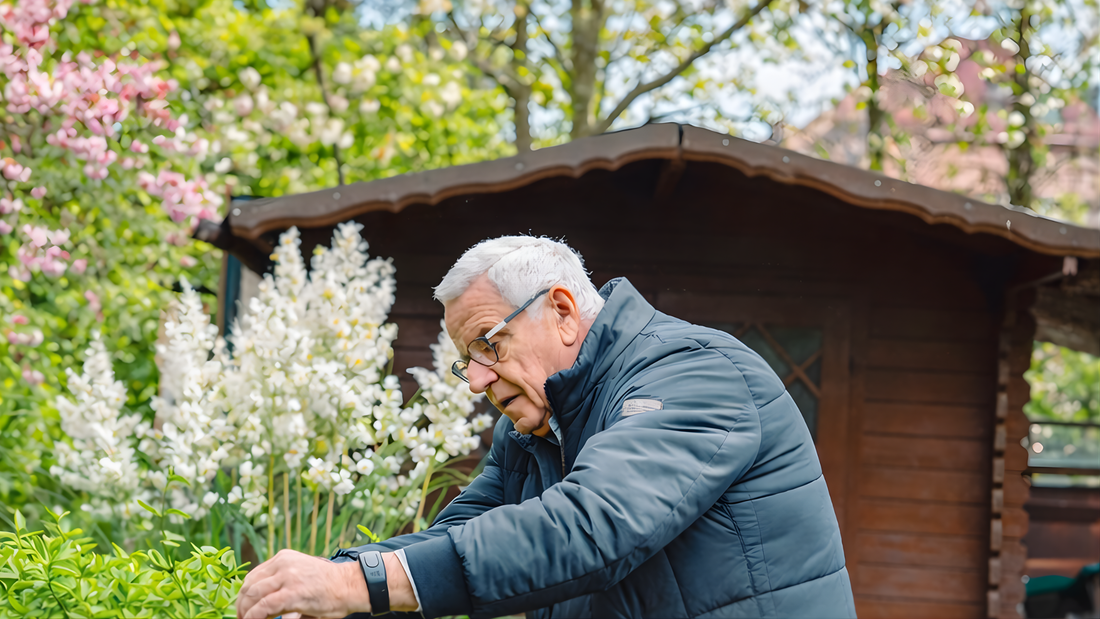
Even small adjustments can make a big difference – especially when it comes to safety in an emergency. The crucial thing is not just to own an emergency call system, but to consciously integrate it into daily life.
1. Consistently wear the emergency call system
An emergency call system can only help if it is worn at the crucial moment. Especially at home or for short trips, it is often taken off – yet many falls happen precisely in these situations. Get into the habit of wearing the device regularly, like a watch or a set of keys.
2. Establish fixed routines in everyday life
Routines help ensure you don't forget the emergency call system. A fixed routine – for example, immediately after getting dressed in the morning – ensures it automatically becomes part of your day. Fixed charging times can also help stabilize its use.
3. Regularly check and coordinate emergency contacts
Ensure all stored contacts are current and reachable. Even more importantly: Talk to them about what happens in an emergency. Who will be contacted first? How should they react? Clear agreements prevent uncertainties in an emergency.
4. Understand and consciously use the functions
Take time to get to know your emergency call system. Understand how fall detection works and when you should additionally trigger the emergency call manually. An occasional test can help build trust in the technology.
5. Actively involve family members
An emergency call system affects not only you but also your environment. When family members know how the system works, it creates more security on both sides. At the same time, they can help solidify routines and make sensible use of the system.
6. Understand the emergency call system as support
A common thought is that an emergency call system is only necessary with severe limitations. In reality, however, it's about prevention and background security. Those who view the system as support – not as a restriction – integrate it into their daily lives much more easily.
Conclusion
An emergency call system is more than just a device for emergencies – it's part of a safe everyday life. What's crucial is not just owning it, but using it consciously and reliably. Many errors arise from small habits: the bracelet is taken off, functions are not fully understood, or routines are lacking. This is precisely where the greatest leverage for more safety lies. Those who firmly integrate their emergency call system into their daily lives, coordinate contacts clearly, and know its functions ensure that everything works in the decisive moment. In the end, it's not about control but about the good feeling of being prepared and not being alone in an emergency.
FAQ/Frequently Asked Questions
When should you wear a personal emergency alarm?
Ideally all day long – especially at home, as many falls happen in everyday life.
What happens when the battery is empty?
In an emergency, the system would then be unable to react – regular charging is therefore crucial.
How does the Gardia emergency wristband work in an emergency?
It automatically detects falls or can be triggered by pressing a button, and informs stored contacts or the additionally booked emergency call center.
Who can benefit from an emergency call system?
For all who live alone, feel unsafe, or have an increased risk of falling.
What happens if an emergency call is triggered accidentally?
An accidentally triggered emergency call is not a problem and happens more often in everyday life than one might think. Usually, there is first the option to cancel the alarm directly – for example, via the device itself. If the emergency call is still transmitted, the stored contacts or the emergency call center will get in touch to clarify the situation.
"For a long time, I thought we had everything under control. Until my mother fell once and wasn't found until much later. Since then, that feeling has always been there. Today, she wears the emergency call wristband – and even if she barely notices it in everyday life, it gives all of us a piece of peace of mind back."