Cardiovascular: Blood pressure, exercise, medications – what works in everyday life

Cardiovascular: Blood Pressure, Exercise, Medications – What Really Helps in Everyday Life
High blood pressure is one of the most common widespread diseases in Germany – often unnoticed, but with serious consequences for the heart, brain, and blood vessels. At the same time, people want to live self-determined lives: to remain active, manage their daily lives, and feel safe, whether at home or on the go.
Stable cardiovascular health is built on three key pillars: exercise, nutrition, and correct medication intake. Today, this is complemented by modern technology such as the Gardia emergency wristband – especially important because blood pressure fluctuations often lead to dizziness and situations prone to falls.
In this article, you will learn how high blood pressure develops, what measures help, and how technical support brings safety into everyday life.

Why healthy blood pressure is so important
High blood pressure (hypertension) occurs when the heart consistently has to exert too much force to pump blood through the body. This strains organs and blood vessels and increases the long-term risk of:
- Stroke
- Heart attack
- Heart failure
- Kidney damage
Many affected individuals experience dizziness, visual disturbances, or brief circulatory collapses with blood pressure fluctuations.
These symptoms significantly increase the risk of falls, particularly in old age.
What are noxious substances – and why are they dangerous?
Noxae are pollutants or influences that burden the body and increase the risk of cardiovascular diseases.
The most common include:
- Nicotine – constricts blood vessels and promotes deposits
- Alcohol – increases pulse and blood pressure
- Stress hormones – cause blood vessels to constrict
- Fine dust / pollutants – weaken blood circulation
Those who pay attention to these influences actively protect their heart – even small behavioral changes can make a big difference in the long run.
10 minutes of brisk walking after each meal reduces blood pressure spikes and aids digestion.

Movement: The Underestimated Therapy
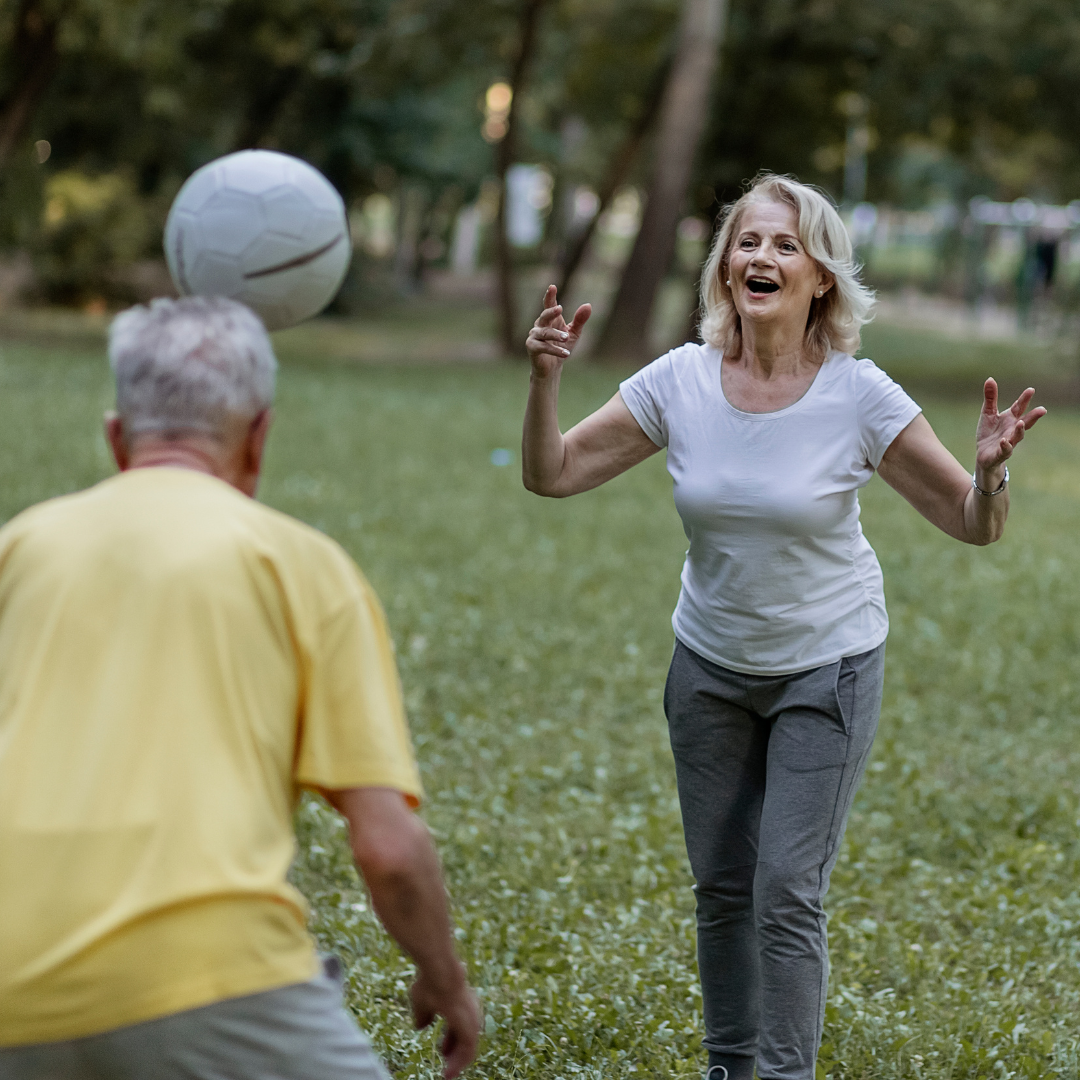
Regular exercise measurably lowers blood pressure – often within just a few weeks.
Suitable activities:
- Walking
- Swimming
- Cycling
- Yoga or gentle gymnastics
Medication: For Stability and Protection
If diet and exercise alone are not enough, medications such as the following can help:
- ACE inhibitors
- Beta-blockers
- Diuretics
They relieve the heart and stabilize blood vessels.
Practical tip:
A medication schedule, reminder app, or pill box creates routine and avoids dangerous fluctuations.
Where smart technology makes the difference
Blood pressure fluctuations can occur at any time – while cooking, in the bathroom, in the garden, or on the go.
Many people suddenly experience:
- Dizziness
- Unsteadiness while walking
- Lightheadedness
- Slight disorientation
These moments are not only unpleasant – they can lead to falls.
This is where modern emergency call systems provide added value.
The Gardia Emergency Wristband: Safety That Thinks Along with You
An emergency wristband creates security in all situations that can arise due to blood pressure problems.
Key Features
- Automatic fall detection – reacts immediately if you can no longer react
- Emergency call at the touch of a button – for all situations that feel "strange"
- 24/7 availability – relatives or control center respond
- Location transmission when needed – important for dizziness outdoors
- Water-resistant – ideal for the bathroom or shower
- Intuitive app for relatives – peace of mind for the whole family
Blood pressure problems often lead to dizziness.
Dizziness is the most common cause of falls in old age.
An automatic fall detection system reacts faster than you ever could.
What to do if the readings are abnormal?
If blood pressure remains high or symptoms occur:
- seek medical attention
- have medication reviewed
- rule out comorbidities

Immediately dial 112 for:
- Chest pain
- Shortness of breath
- Severe headache
- Unilateral paralysis
Loss of consciousness
FAQ/Frequently Asked Questions:
How often should I measure my blood pressure?
Ideally daily at fixed times, in the morning before breakfast and in the evening before bedtime.
From when is blood pressure considered too high?
Values above 140/90 mmHg are considered high blood pressure. Ideally, it is 120/80 mmHg.
Can I treat high blood pressure without medication?
Yes, in mild cases. Exercise, diet, stress reduction, and weight loss often help – medical consultation is important.
What role does stress play?
Chronic stress increases adrenaline and cortisol – which drives up pulse and blood pressure. Relaxation techniques are therefore essential.
Can the Gardia emergency wristband help with blood pressure problems?
Yes. The wristband detects falls or sudden unusual movements, such as those caused by dizziness due to blood pressure fluctuations, and automatically alerts your emergency contacts or a professional emergency call center. This way, you receive help quickly, even if you are alone.
More than just an emergency bracelet
With Gardia, you are immediately protected in an emergency, even with blood pressure fluctuations or dizziness – for more safety in everyday life.

"My doctor recommended more exercise. With the Gardia bracelet, I feel safe enough to follow through. It's like a little companion watching over me."