Start the new year healthy and safe: Stay active in everyday life

The desire to live more actively in the new year is widespread. However, many resolutions fail not due to a lack of willpower, but because they remain too abstract. "Move more" or "eat healthier" sounds good – but is of little help in everyday life if it's not clear how this should look in concrete terms.
The key is to view exercise and nutrition not as separate projects, but as an interconnected part of everyday life.
Movement doesn't start with exercise, but with daily structure
Many people underestimate how much exercise depends on daily structure. Those who exercise regularly often do so not out of discipline, but because the day offers specific windows of opportunity for movement.
What helps in practice:
- fixed routes (e.g., running errands on foot)
- recurring times (e.g., after breakfast or before dinner)
- clear, limited duration instead of open-ended goals
This makes exercise plannable without feeling like an obligation. The key is not how much, but how regularly.
Even short, regular exercise sessions can be sustainably integrated into everyday life with simple aids.
The Underestimated Factor: Food Influences Willingness to Exercise
A point that is rarely addressed: Many people do not feel lazy to move, but lack energy. This is often due less to age than to eating habits.
What many don't know
- Irregular eating leads to dips in performance
- Meals that are too heavy make you sluggish
- Insufficient fluids significantly reduce the willingness to move
Everyday solutions
- prefer regular smaller meals
- simple, familiar foods instead of complicated diets
- plan drinking firmly (e.g., with every meal)
Those who are consistently nourished not only move more – but enjoy it.

Connecting Food & Exercise Correctly: A Mistake Many Make Daily
Many people exercise at times when their bodies are poorly fueled for it – without realizing it. This leads to quick exhaustion and the feeling that "exercise isn't good for me."
What many don't know:
Exercising directly after very heavy meals or after a long time without food significantly reduces the enjoyment of movement.
Practical Solution for Everyday Life:
- light exercise 60–90 minutes after eating
- small activity after a small meal or snack
- drink enough before you start
Those who better coordinate exercise and nutrition experience it as more pleasant – and are more likely to repeat it.
Why Security Enables Activity in the First Place
An aspect that is rarely openly addressed:
Many people move less because they feel insecure – not because they don't want to. With the Gardia emergency wristband, it can be easier to feel safe in everyday life and to integrate movement back into your day more naturally.
Insecurity manifests itself subtly:
- longer routes are avoided
- walks become shorter
- activities are postponed until "later"
Safety is not a medical issue, but a psychological one. Those who know that support would be available in the background dare to do more – without constantly thinking about it.
Activity therefore arises where:
- movement is realistic
- nutrition provides energy
- safety is considered in the background
This combination is often more effective than any resolution.
Why many unconsciously slow down when taking action – and how to prevent it
A common but little-known reason for less exercise is not a lack of motivation, but rather incorrect self-assessment. Many people wait until they feel “fit enough” before becoming active – and consequently move less.
In practice, it works the other way around: movement happens before the good feeling about one's body, not after. Those who wait until they have energy often wait in vain.
What specifically helps:
- Start activity even if you feel tired
- Use the first 5 minutes as a decision point
- Allow yourself to stop again after a short time
Often, energy only comes during exercise. Knowing this changes how one perceives tiredness – and leads to staying active more often.
40% of Gardia wearers are more active in their daily lives since they started wearing Gardia.
Emergency bracelet with intelligent FallGuard360° fall detection – for more safety in everyday life.


Well-prepared for the New Year: These steps help you stay active
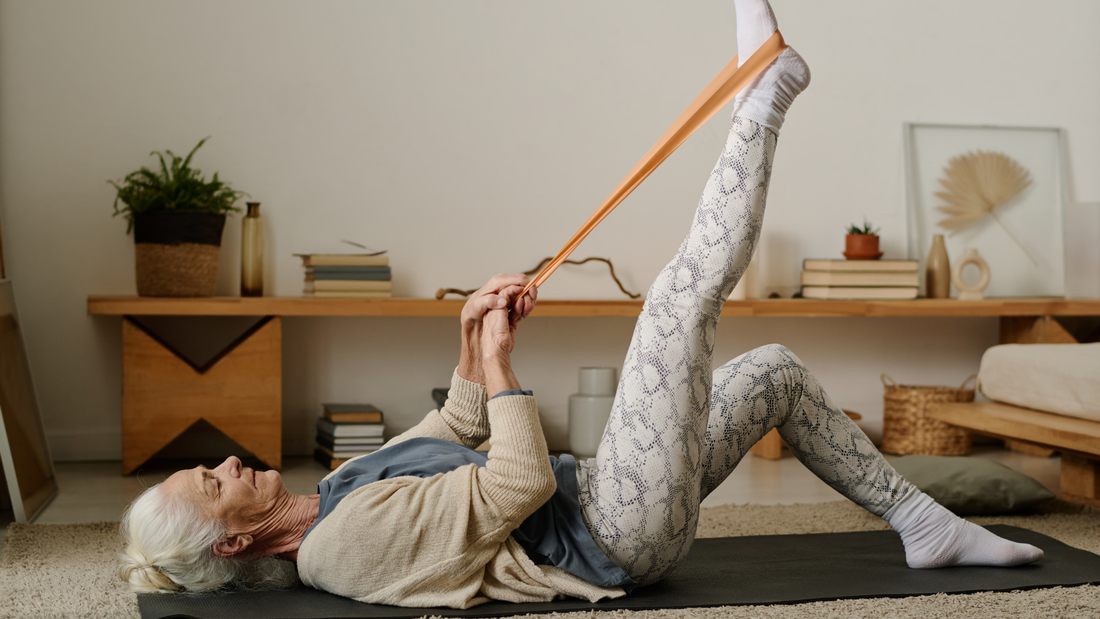
Anyone who wants to become more active benefits from clarifying a few basics early on. Smart helpers can provide support – provided they fit into one's daily routine. These steps help with orientation:
1. Realistically assess your own habits
Consider when and how exercise fits into your daily life. Short walks, fixed times, or small errands on foot are often more effective than grand plans.
2. Structure your daily routine instead of over-challenging yourself
Fixed routines make it easier to stay consistent. Reminders or simple overviews can help to regularly schedule exercise without building up pressure.
3. Deliberately choose support
Smart helpers should simplify everyday life – not complicate it. Look for easy operation, clear functions, and low maintenance.
4. Consider safety from the outset
Those who become more active are often out and about more. Small, inconspicuous security solutions can provide background support and give a good feeling without impacting daily life.
5. Regularly review routines
What works well today can change. It's worthwhile to occasionally adjust habits and re-select helpers if daily life changes.
Staying active also means: planning breaks in good time
An often-overlooked aspect of becoming active is recovery. Many people either move too little or push themselves too hard during good phases – both ultimately lead to a decrease in activity.
Regular breaks, a conscious pace, and recognizing one's own limits are crucial for experiencing exercise as something positive. Those who allow themselves to be active for shorter periods or at a slower pace on some days will remain more consistent overall.
FAQ/Frequently Asked Questions
Why do so many people find it so difficult to stay active over the long term?
Because exercise is often thought of too broadly. Without concrete anchors in everyday life, consistency is lacking, not the will.
Is everyday movement really enough to stay fit?
Yes. Regular everyday exercise (e.g., walking, going places on foot, light activity) can be more effective in the long term than irregular sports activity.
What role does nutrition play in my energy for movement?
A big one. Irregular eating, insufficient fluid intake or heavy meals can significantly reduce the desire and energy for physical activity.
Why is safety a factor when I want to become more active?
Uncertainty often leads to cutting corners or avoiding activities. Those who feel safe move more relaxed and more often.
What helps when resolutions fade after a few weeks?
Resolutions should be adapted, not abandoned. Small, flexible routines are more sustainable than rigid goals with pressure.
"I just wanted to go out more often again, without constantly worrying about what if something happens. With Gardia, moving feels carefree and relaxed again."