The Role of Relatives in Caregiving

How an Emergency Call System Can Reduce the Burden
The need for care not only affects the elderly concerned but also poses major challenges for family caregivers. For many people, caring for their older family members is one of the most demanding tasks in life, especially if they suffer from chronic illnesses or dementia. This responsibility brings with it not only physical and emotional burdens but also a variety of practical challenges. Modern technologies such as an emergency call system or emergency buttons can provide important support in this situation, allowing family caregivers to ensure the safety of their loved ones without having to be constantly by their side.
In this blog post, we want to explore how an emergency call system can make home care safer and less burdensome for family caregivers. We will show how installing an emergency call system – such as an emergency button or emergency wristband – not only increases the safety of those in need of care but also makes the care experience easier for relatives.

The Challenge of Home Care
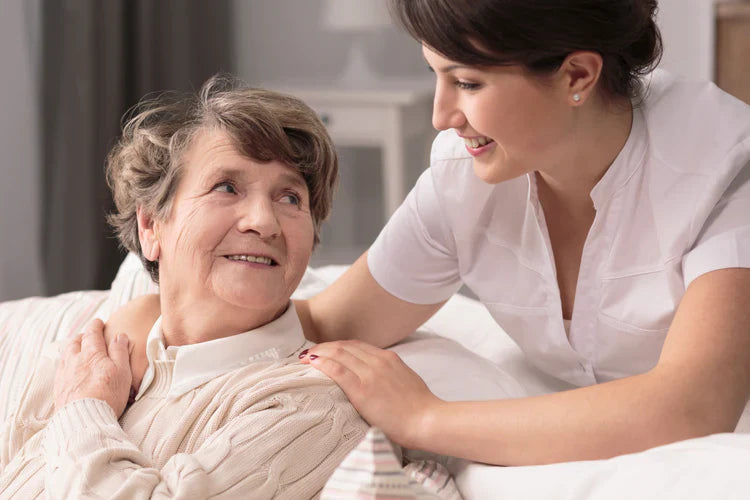
Caring for a family member at home is a demanding task that often leads to emotional and physical strain for caregivers. Many people choose to care for their loved ones themselves, believing they can provide the best possible care. However, this decision often brings with it a number of challenges:
• Emotional Strain:
Worrying about the well-being of the person in need of care, especially if they suffer from a serious illness like dementia or Alzheimer's, can lead to constant anxiety and exhaustion. It is often difficult to switch off or to find enough time for oneself to recover.
• Physical Strain:
Lifting, moving, and supporting individuals in need of care can lead to physical ailments. The constant vigilance required to attend to the needs of the care recipient also causes significant stress.
• Time Strain:
Caring for a loved one requires a lot of time and attention, making it difficult to fulfill professional or private obligations. Many family caregivers suffer from chronic lack of time and feel overwhelmed by the constant responsibility.
How an Emergency Call System Can Reduce Stress
An emergency call system can be invaluable support in this situation. Especially an emergency button or emergency wristband ensures that help can be quickly summoned in an emergency – without caregivers having to be constantly on site.
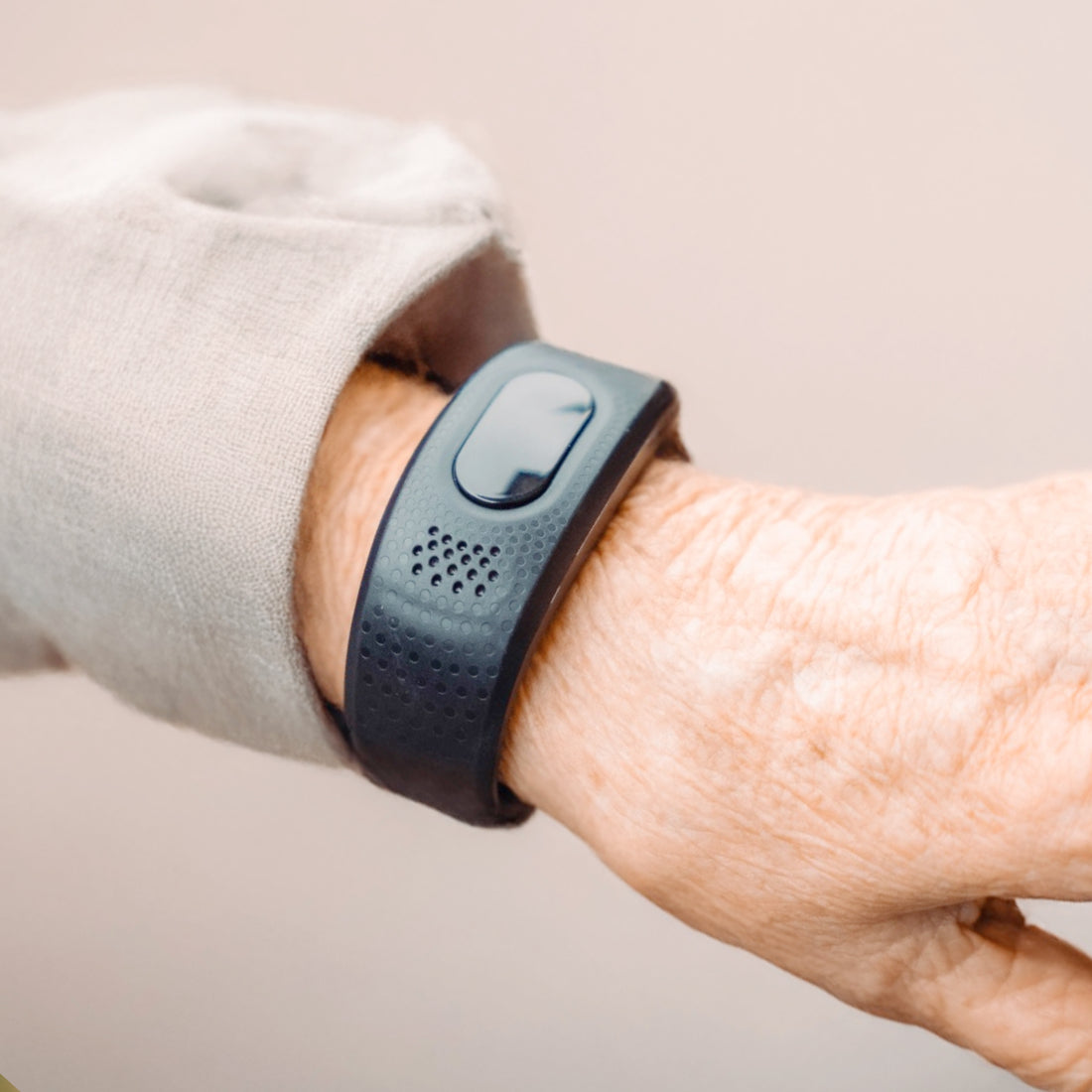
An emergency call system consists of various components that facilitate access to help in an emergency. The most important components are the emergency button or emergency wristband, which the person in need of care can always carry with them. If an emergency occurs, the person in need of care can press the button or activate the wristband to immediately request help.
Emergency Button: The emergency button can be placed in various locations in the house, for example, near the bed, in the bathroom, or near the entrance. It can also be portable, so the person in need of care always carries it with them. As soon as the button is pressed, an alarm is sent to the caregivers or an emergency service, who then respond immediately.
Emergency Wristband: An emergency wristband is a portable, discreet solution that allows the person in need of care to call for help even when on the go. It functions similarly to the emergency button but is particularly practical if the person in need of care leaves the house or moves in a larger environment. The wristband sends a signal when activated and alerts the caregivers or a professional emergency service.
Both systems ensure that the person in need of care is not alone in an emergency and can receive immediate help – which is crucial for both caregivers and the care recipient.

Modern emergency call systems offer caregivers a way to ensure the safety and well-being of their loved ones without always having to be physically present. These systems are designed to organize immediate help in an emergency, thus reducing the stress and burden on caregivers. Here are some key benefits of an emergency call system:
1. Quick help in an emergency: An emergency call system enables the person in need of care to quickly call for help in the event of a fall, sudden illness, or other emergency. An emergency button or emergency wristband allows the person in need of care to request immediate help when needed, even if they are unable to make a phone call themselves. Caregivers can rest assured that their family member will not be alone in an emergency.
2. Monitoring without constant presence: For caregivers, being with their family member around the clock can be very exhausting. An emergency call system with an emergency button or emergency wristband offers the possibility of knowing that the person in need of care is safe, even when caregivers are not directly present. This allows caregivers to better combine their own needs and daily life with caregiving.
3. Prevention of serious consequences: Especially in the event of falls or sudden health problems, a quick reaction is crucial. An emergency call system can reduce the risk of serious consequences, as an emergency service or a relative is informed immediately. Caregivers thus have the assurance that their family member will receive quick support in an emergency.
4. Reduction of emotional burden: When caregivers know that an emergency call system is in place, they can approach caregiving with less anxiety and stress. The constant thought that the person in need of care could be in danger without timely help is significantly reduced by the emergency call system. The relief of emotional burden through this technology contributes to a better quality of life for caregivers.
5. Support for night shift care: Many caregivers have to get up at night to help their loved ones, whether it's getting up, using the toilet, or other needs. An emergency call system allows the person in need of care to get immediate help in the event of a nighttime problem, without caregivers having to constantly pay attention.
How Using an Emergency Call System Makes Life Easier for Family Caregivers
The daily lives of informal caregivers are considerably eased by the use of an emergency call system. Knowing that their family member can receive immediate help in an emergency, informal caregivers experience less fear and worry. This allows them to focus on other aspects of life, be it work, personal well-being, or their own family.
By using an emergency call system, informal caregivers can also take targeted breaks and attend to their own needs. If the responsibility for the care recipient's safety does not constantly rest on their shoulders, they can structure care in a more balanced way, leading to less exhaustion and burnout.
Relieving informal caregivers through modern emergency call systems
Caring for a loved one can be one of life's greatest challenges. Modern emergency call systems such as emergency bracelets and emergency buttons offer informal caregivers the opportunity to look after their loved ones without having to be constantly present. These systems ensure that help is quickly available in an emergency and that informal caregivers have fewer worries about the care recipient's safety.
The use of an emergency call system reduces emotional and physical strain, improves quality of life, and gives informal caregivers the opportunity to better manage their own life situation. This makes the care experience not only safer and more stress-free for the care recipient, but also for the caregivers. Modern technologies like these are a valuable tool to facilitate home care while promoting the health and well-being of everyone involved.
Emergency call system with fall detection
Gardia's emergency call system can significantly relieve the burden on family caregivers.