Alkaline Diet for Beginners: Simple Tips Without Giving Anything Up

Many people want to eat more consciously but don't know exactly where to start. Terms like "alkaline diet" often sound complicated or like they involve deprivation. At its core, however, it's about something very simple: integrating more fresh, natural foods into everyday life. And that works even without strict rules or major changes.
Where does the term "alkaline" come from?
The term "alkaline" originally comes from chemistry and describes the so-called pH value. A distinction is made between acidic, neutral, and alkaline (basic) ranges. In nutrition, this term is used in a transferred sense: It describes how foods affect the body after they have been metabolized – not how they taste, but what influence they have on the internal balance. The idea behind an alkaline diet is to relieve the body and create a balanced ratio by consuming more alkaline-forming foods.
What is an alkaline diet?
The alkaline diet is based on the idea that certain foods have different effects on the body. Some foods are alkaline-forming, while others are acid-forming.
Alkaline-forming foods include:
- Vegetables (e.g., broccoli, spinach, carrots)
- Fruits
- Herbs
- Potatoes
Acid-forming foods include:
- Meat and sausages
- Sugar and sweets
- White flour products
- Highly processed foods
Important to understand: It's not about completely avoiding acid. The body can generally handle both well – the crucial factor is the ratio.
Why follow an alkaline diet?
Many people turn to an alkaline diet because they often feel "heavy," tired, or unbalanced in everyday life.
The idea behind it:
A diet with more alkaline foods can relieve the body.
Possible everyday benefits:
- more energy and less fatigue
- better digestion
- less bloating
- overall lighter body feeling
Especially if you eat a lot of processed foods, switching to more fresh ingredients can quickly make a noticeable difference. Important to note: It's less about "de-acidification" in the medical sense, and more about a more conscious and natural diet. An anti-inflammatory effect is also possible – you can find more information here.
Simple Adjustments for Everyday Life
The biggest mistake is wanting to change everything at once. Small steps are much more sensible.
Here's how to get started:
-
Make vegetables the basis
→ supplement every meal with vegetables
-
Fruit instead of snacks
→ a simple alternative to sweets
-
Prefer water and herbal tea
→ less sugar, more balance
- Cook simply instead of convenience foods
→ fewer additives, more control
-
Apply the 80/20 principle
→ 80% alkaline, 20% flexible
This keeps the diet suitable for everyday life.
Staying Active Safely
Conscious nutrition and regular walks are a powerful combination for everyday life. The Gardia emergency bracelet discreetly supports you in the background and ensures quick help in an emergency – so you can stay active and safe.

Avoid Common Mistakes
Many start motivated – and quickly stop again. This is often due to the following points:
-
Too strict rules
→ completely giving up favorite foods
-
Too complicated implementation
→ elaborate recipes that don't fit into everyday life
-
"All or nothing" thinking
→ small exceptions are seen as setbacks
- Unrealistic expectations
→ expecting quick changes
Important Nutrients in an Alkaline Diet
If you change your diet, you should also pay attention to certain nutrients.
Especially important:
Magnesium
- supports muscles and nerves
- found in nuts, vegetables, whole grains
Potassium
- important for fluid balance
- found in potatoes, bananas, vegetables
Calcium
- important for bones
- e.g. in green vegetables or almonds
An alkaline diet automatically provides many of these substances - if you eat a varied diet.
Simple Shopping List to Get Started
Many people don't know exactly what to buy. This is often the biggest hurdle.
Alkaline Basics for the week:
- Broccoli, carrots, zucchini
- Potatoes
- Apples, bananas, berries
- Lettuce, cucumber, tomatoes
- Nuts (almonds, walnuts)
- Herbs (parsley, chives)
Many simple meals can already be prepared with these foods.

Safety and Nutrition
Conscious nutrition is an important step towards greater well-being. At the same time, everyday safety is also essential – especially when you stay active and move around a lot. Particularly when you're out and about more, going for walks, or developing new routines, situations arise where you're alone.
The Gardia emergency bracelet can provide support in the background:
- it is simply worn on the wrist and doesn't interfere with daily life
- in case of uncertainty, help can be called at any time by pressing a button
- the automatic fall detection also reacts when you can no longer act yourself
- relatives are informed directly and can react quickly
The advantage: You can make everyday life more active with the reassuring feeling of not being alone in an emergency.

Example: Alkaline Meal Plan
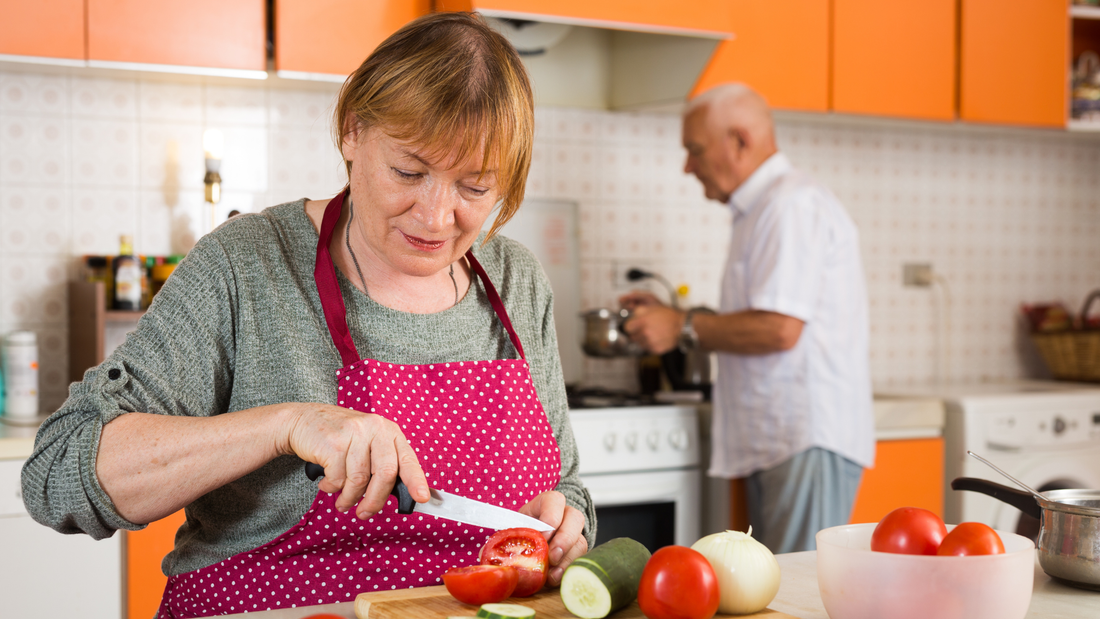
An alkaline daily routine doesn't have to be complicated. With concrete, simple meals, your diet can be changed step by step and easily integrated into your daily life:
1. Breakfast – start light and fresh
A good alkaline breakfast should gently activate the body without being a burden.
Examples:
- Plain yogurt with apple, berries and some oatmeal
- Banana with almonds and some cinnamon
- Herbal tea or warm water with it
The important thing is not to start too heavy, but fresh and light.
2. Lunch – make the most of the most important meal
At lunchtime, it can be a little more filling, but still balanced and vegetable-focused.
Examples:
- Vegetable stir-fry with broccoli, carrots, zucchini, and potatoes
- Rice with steamed vegetables and fresh herbs
- Large mixed salad with cucumber, tomato, avocado, and a little olive oil
A simple guide is: the largest part of the plate consists of vegetables.
3. Snack – simple and natural
Snacks help to avoid cravings and keep the day balanced.
Examples:
- An apple or a pear
- A handful of nuts
- Carrot or cucumber sticks
Often, small portions are enough to nourish the body.
4. Dinner – light and digestible
In the evening, the meal should be simpler and lighter than at lunchtime.
Examples:
- Vegetable soup with carrots, leeks, and potatoes
- Steamed vegetables with some herb quark
- Light salad with fresh ingredients
The goal is to be full without feeling heavy.
5. Drinks in everyday life
Drinks also play an important role and are often underestimated.
Examples:
- Still water throughout the day
- Herbal tea such as chamomile, fennel, or peppermint
- Warm water in the morning
Less sugar and sufficient fluids often make a noticeable difference in everyday life. The important thing is not to implement everything perfectly, but to regularly incorporate these patterns into your daily life.
Conclusion
Alkaline eating is not a strict concept, but rather a simple approach to living more consciously every day. It’s not about eating perfectly or completely giving up certain foods. Instead, it's about gradually incorporating more fresh and natural foods. Small changes can already make a big difference – for your own well-being, your daily energy levels, and an overall better body feeling. Those who start slowly and stick with it will establish a foundation that works in the long term.
FAQ/Frequently Asked Questions
Do you have to completely avoid certain foods?
No. It's about a balanced relationship, not strict abstinence.
What does an alkaline diet really do?
Many report more energy, better digestion, and a general feeling of lightness in everyday life.
How quickly do you notice changes?
This varies from person to person, but people often report feeling better after just a few days.
Is an alkaline diet complicated to follow?
No, especially when starting with simple dishes and small changes.
How does the Gardia emergency wristband work in everyday life?
It is worn like a watch and can summon help at the touch of a button in an emergency. In addition, it automatically detects falls and informs stored contacts.
"I didn't change everything at once. But step by step, I'm eating more mindfully, moving more – and feeling generally lighter in my daily life. That gives me a good feeling because I realize I can do something for my health myself."